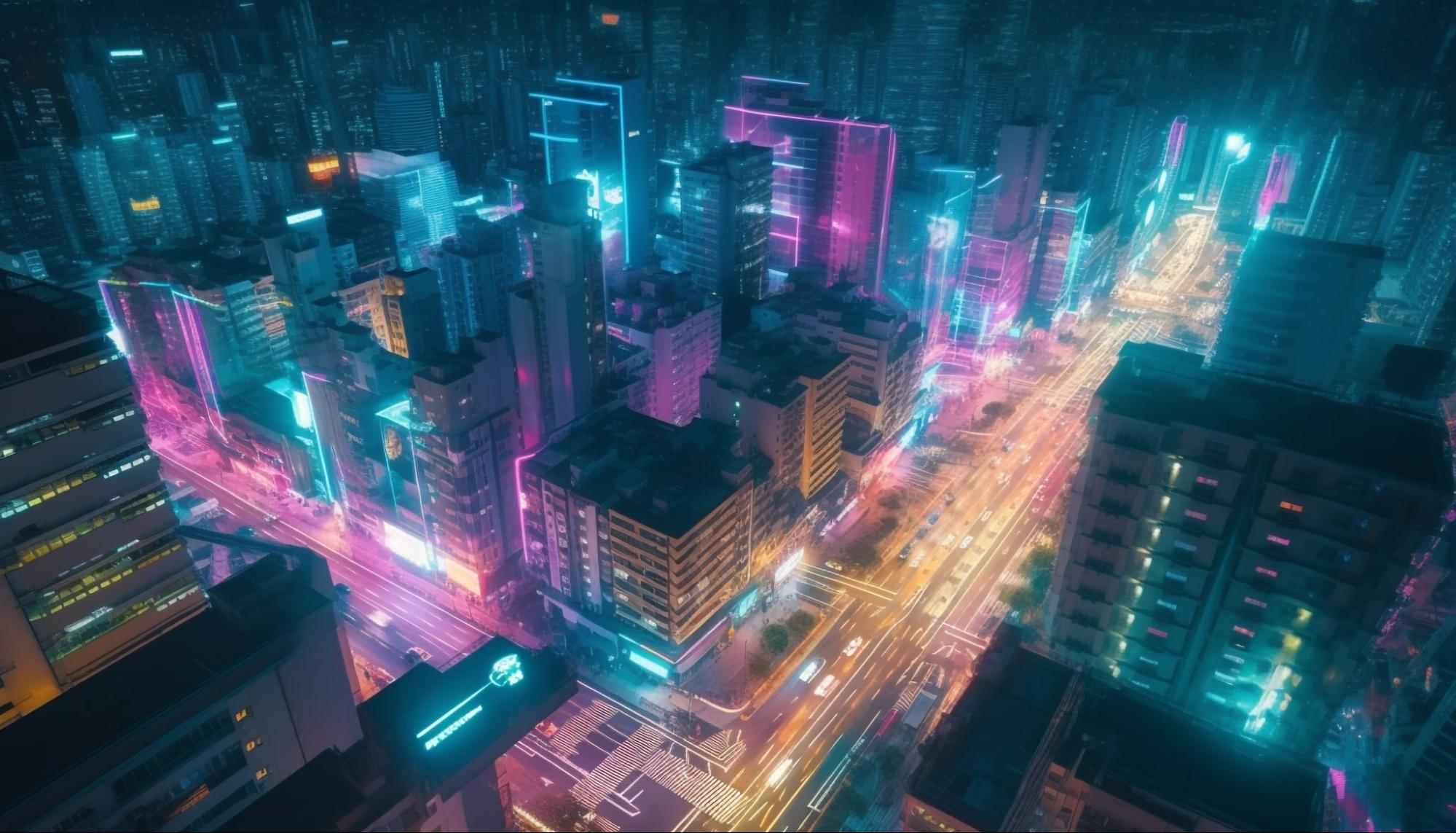
Why the Future Home Is Already Taking Shape
The way we imagine homes is changing quickly. Buyers are no longer only looking at square footage or location. They are thinking about comfort, flexibility, energy use, and digital convenience. This is why conversations around future houses are becoming more practical than futuristic. Across urban markets, the demand for efficient, secure, and adaptable homes is growing, and that shift is shaping the rise of smart homes in India.
People want homes that respond to daily routines, reduce effort, and support a better lifestyle without feeling complicated. In the coming years, homes will likely become more intuitive, with systems that quietly improve lighting, temperature, safety, and overall ease of living. The home of 2035 may look modern, but more importantly, it will feel more thoughtful, useful, and aligned with how families truly live.
Smarter Living Through Design and Automation
Homes of the future will not depend only on gadgets. They will be defined by how well technology works with daily life. Buyers will expect better planning, efficient layouts, and systems that support convenience from morning to night. This is where smart home realty is starting to gain more attention, because people now value practical intelligence in a home as much as visual appeal.
Features like digital locks, motion sensors, remote lighting, and energy tracking are becoming more familiar in urban homes. At the same time, home automation in India is moving from a luxury concept to a lifestyle preference, especially among younger professionals and modern families. The biggest change will not be dramatic. It will be subtle and useful. Homes will save time, improve security, and make everyday routines easier, while still feeling warm, personal, and easy to manage.
Some features future-ready homes may commonly include:
- App-based lighting and appliance control
- Smart security and visitor monitoring
- Energy-saving systems
- Air quality and climate control tools
- Flexible work and study corners
How Cities Will Change the Way We Live
By 2035, homes will also be shaped by the cities around them. Urban planning, mobility, mixed-use development, and community design will influence what buyers consider a good property. This is why
technology in real estate is no longer limited to marketing or virtual tours. It is now part of planning, construction, sustainability, and long-term value creation. Buyers are increasingly looking for homes in areas that connect well to workplaces, schools, healthcare, and retail. In growing micro-markets, the search for
Hadapsar flats for sale reflects this shift toward location-led decision-making.
Future cities will reward projects that balance access with liveability. Homes will be part of connected neighbourhoods where commutes are easier, essential services are within easy reach, and public infrastructure supports a more efficient urban routine. In that sense, the future of housing is also the future of city living itself.
What Buyers Will Value Most in 2035
The next decade will not just bring smarter homes. It will bring smarter expectations. Buyers will ask sharper questions about energy efficiency, digital readiness, privacy, and long-term practicality. They will want homes that can adapt as family needs change over time. As a result, developers who understand home automation in India in a meaningful way will stand out. Buyers are not simply looking for one or two tech features.
They are looking for homes where design, safety, and convenience work together naturally. This is also why projects like
48 Central Park Pune represent the kind of modern urban housing that appeals to future-focused buyers. The value of a home in 2035 will not depend only on how premium it looks. It will depend on how well it performs in daily life, how easily it supports changing routines, and how ready it is for tomorrow’s urban lifestyle.
Buyers are likely to prioritise:
- Efficient and flexible floor plans
- Strong security systems
- Community amenities with daily use
- Sustainable construction choices
- Good digital and physical connectivity
The Future of Urban Homes in Pune
Cities like Pune are already showing where housing preferences are headed. Buyers want homes that combine comfort, planning, and long-term relevance. In the years ahead, smart homes in India will likely become more common across mid-sized and premium projects, not just in niche categories. Automation, better layouts, and sustainable features will become part of standard expectations. At the same time, home automation in India will influence how buyers compare projects, especially when they look at future value and convenience.
The idea of future houses will no longer feel distant because many of their core features are already entering the market today. The real shift will be in how naturally these elements are integrated. Homes will be less about showing off innovation and more about quietly improving life. That is what will define a truly future-ready home in 2035.
Conclusion
The home of 2035 will be shaped by more than design trends. It will reflect changing cities, smarter planning, and the growing need for comfort, efficiency, and flexibility. Buyers will choose homes that support real life with less friction and more value. The future is not about living in a complicated space. It is about living in a better one.
FAQs
1. What will future houses offer that current homes do not?
Future houses will focus more on adaptability, digital convenience, energy efficiency, and daily comfort. Instead of adding technology for show, they will use it in practical ways that improve safety, save time, and make everyday living smoother for modern families.
2. How is technology in real estate changing homebuying?
Technology in real estate is helping buyers evaluate projects more carefully through digital planning, smart features, and better construction systems. It is also changing how homes are designed, making them more efficient, secure, and aligned with future lifestyle needs.
3. Why are smart homes in India becoming more popular?
Smart homes in India are gaining attention because buyers want convenience, better security, and efficient living. As cities grow and routines become faster, people are choosing homes that offer practical automation and thoughtful planning without making everyday life more complicated.
4. Will home automation become standard in future homes?
Yes, many automation features are expected to become more common in the coming years. Buyers are already showing interest in digital locks, lighting control, and smart monitoring systems, which means automation will likely become part of regular urban housing expectations.